DefPro.com - The Ultimate Source For Shipping & Storage Containers
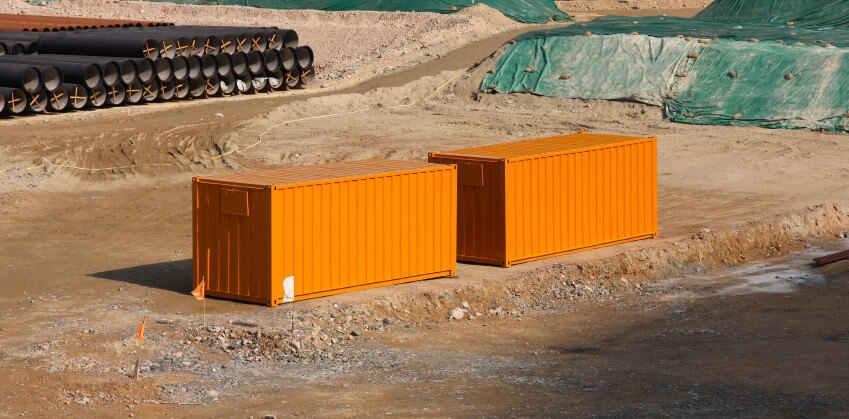
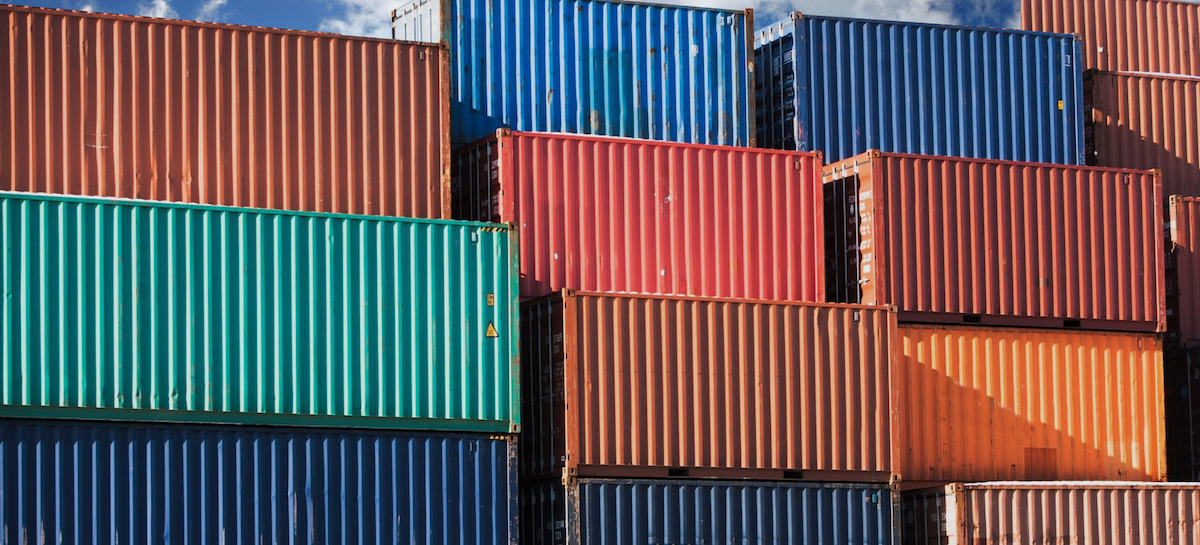
If you are looking to buy a shipping container, or you need some temporary storage for a few months and want to rent a storage container, DefPro.com is your best option. With the largest selection in the United States, DefPro Containers makes it easy to find the exact container that's best suited for your needs. You'll find 10', 20', 40' and also High Cube variations of shipping containers for sale, rent and lease. Need something custom to suit your needs? We've got you covered. You can add tons of different features to your container making it suitable for tons of different applications.
DefPro.com was created to make it both easy and affordable to find temporary, on-site storage containers. With DefPro.com you can quickly compare rates from the top portable storage suppliers in your area, and get wholesale prices on both new (one-trip) and used shipping container purchases. The bottom line is that when you use DefPro.com to buy or rent a container, you will save time and money (usually about 30%).
Advantages of Using DefPro Containers
Here at DefPro.com we pride ourselves on being the absolute best resource for customers looking to rent and purchase containers. Here are just a couple of the reasons why customers should use DefPro.com for their next rental or purchase:
- Excellent Selection - all sizes and custom configurations available on high quality, secure steel containers.
- Hassle Free Price Quotes - comparing prices from the best suppliers delivering to your area has never been easier. Complete the quick quote form or call right now and you'll start getting free price quotes in minutes.
- The Lowest Prices - with defpro.com you can easily compare rates and choose the lowest price. It's fast, easy and hassle-free.
